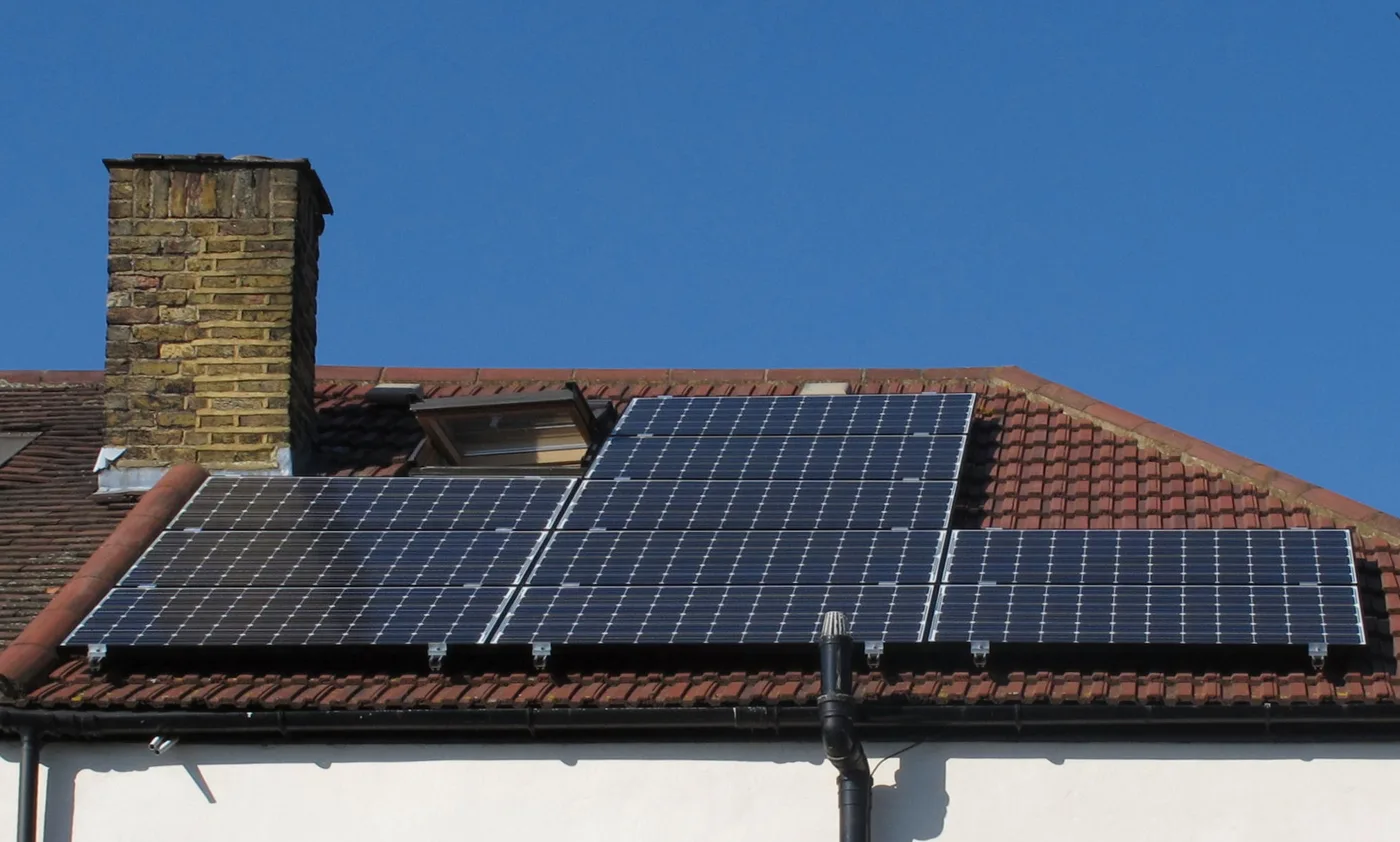

Councillors want Horsham homeowners told to keep solar batteries out of lofts and bedrooms, as the council backs a fourth round of its solar and battery scheme.
Horsham councillors want every household thinking about solar panels and a home battery to get plain safety advice first. The main message: put the battery outside if you can, and never in the loft.
A group of six district councillors spent most of this year looking at the fire risks. Their final report goes to the Communities and Place scrutiny committee on Wednesday 4 November, and asks the Cabinet to publish a one-page guide on the council’s website and in its residents’ magazine, Our District (task and finish group report).
Why councillors looked at it
The council promotes these systems. With West Sussex County Council, it runs the Domestic Solar and Battery Storage Project, and has committed to a fourth round of it. The report says members were “concerned that the Council’s endorsement of the equipment and installers could influence residents’ decision-making”.
The review began after West Sussex Fire and Rescue Service raised concerns, in 2025, about fires involving solar inverters and home lithium batteries, and a lack of regulation in the industry. The councillors’ worry was specific: batteries are often put in lofts, which hold plenty of fuel, and a fire there would be “out of sight of householders until well established”.
What they found
The group heard from the fire service, the Association of British Insurers and the Microgeneration Certification Scheme (MCS), the body that certifies installers. Its findings include:
- Fires are uncommon, but serious. Members concluded that fires linked to home solar and battery installations were “thankfully uncommon”, but that the potential risks were significant, and that the number of installations was likely to grow.
- The fire service has no say over home installations. West Sussex Fire and Rescue Service is not consulted on solar and battery equipment in homes, and has no remit to inspect it.
- Insurers have not seen a jump in claims. The insurers’ body said it had not observed a significant increase in claims, but was watching product quality and installation standards.
- Certification helps, but is not the whole answer. MCS certification gave members some reassurance, but it is not a formal competent person scheme under the building regulations.
- The rules are tightening. The British Standards Institution’s PAS 63100:2024 covers fire safety for home battery systems. MCS told councillors its guidance has now been written into BS 7671, the national wiring standard, which will apply to new installations after a transition period.
Where a home battery should not go
PAS 63100 says batteries should be installed outdoors where possible. If that cannot be done, the report lists the places it says to avoid:
- rooms where people sleep
- anywhere that blocks a way out of the house
- corridors and stairs
- roof spaces and lofts
- cellars with no outside exit
- near flammable materials
What the proposed guide says
The draft guide, an appendix to the report, is written for homeowners. Its main points:
| Topic | What the guide recommends |
|---|---|
| Installer | Use an MCS-accredited installer who is also in a Competent Persons Scheme; electrical work by someone accredited by a body such as NICEIC |
| Your roof | Check the roof can take the weight; ask how roof penetrations will be waterproofed and fireproofing kept |
| Permission | Most installations are permitted development, but ask if the home is listed, in a conservation area or has had those rights removed; work outside a Competent Persons Scheme needs Building Regulations approval |
| Battery location | Outside where possible, or with suitable fire separation from habitable rooms; not on an escape route; ventilated; never in a loft or roof space |
| Safety | A smoke detector in any unoccupied space with equipment in it; fire-stopping where cables pass through walls and floors; clearly labelled isolation switches |
| Maintenance | Regular inspection, following the installer’s documents |
The report is careful about tone. Members said the wording should not “cause alarm” to people whose existing systems may not meet the newer standards. It suggests MCS as the place to ask about older installations.
What it means for you
- If you are getting a quote, ask the installer where the battery will go and why, whether they are MCS-certified and in a Competent Persons Scheme, and what fire detection they will fit. You can check an installer on the MCS website.
- If you already have a battery in the loft, the council’s draft guide does not tell you to move it. It does recommend a smoke detector in any unoccupied space where equipment sits, and the report points owners of older systems to MCS or their installer.
- For planning questions, the council’s do I need planning permission page covers listed buildings and conservation areas. Our page on Horsham planning applications explains how to search the register.
- Small batteries are a separate risk. Our report on the 199 battery fires at the waste plant north of Horsham explains where to take used batteries and vapes.
The guide is not published yet. The scrutiny committee meets at 5.30pm on 4 November, and the meeting is open to the public (agenda). If it agrees, the report goes to Cabinet, which decides whether to publish the guide.
Sources
- Final Report of the Domestic Lithium Battery and Solar Panel Installations Task and Finish Group, Communities and Place Policy and Scrutiny Committee, 4 November 2026
- Appendix A: Solar Panels and Battery Storage, Key Considerations for Homeowners (the draft guide)
- Committee agenda, 4 November 2026
Have your say