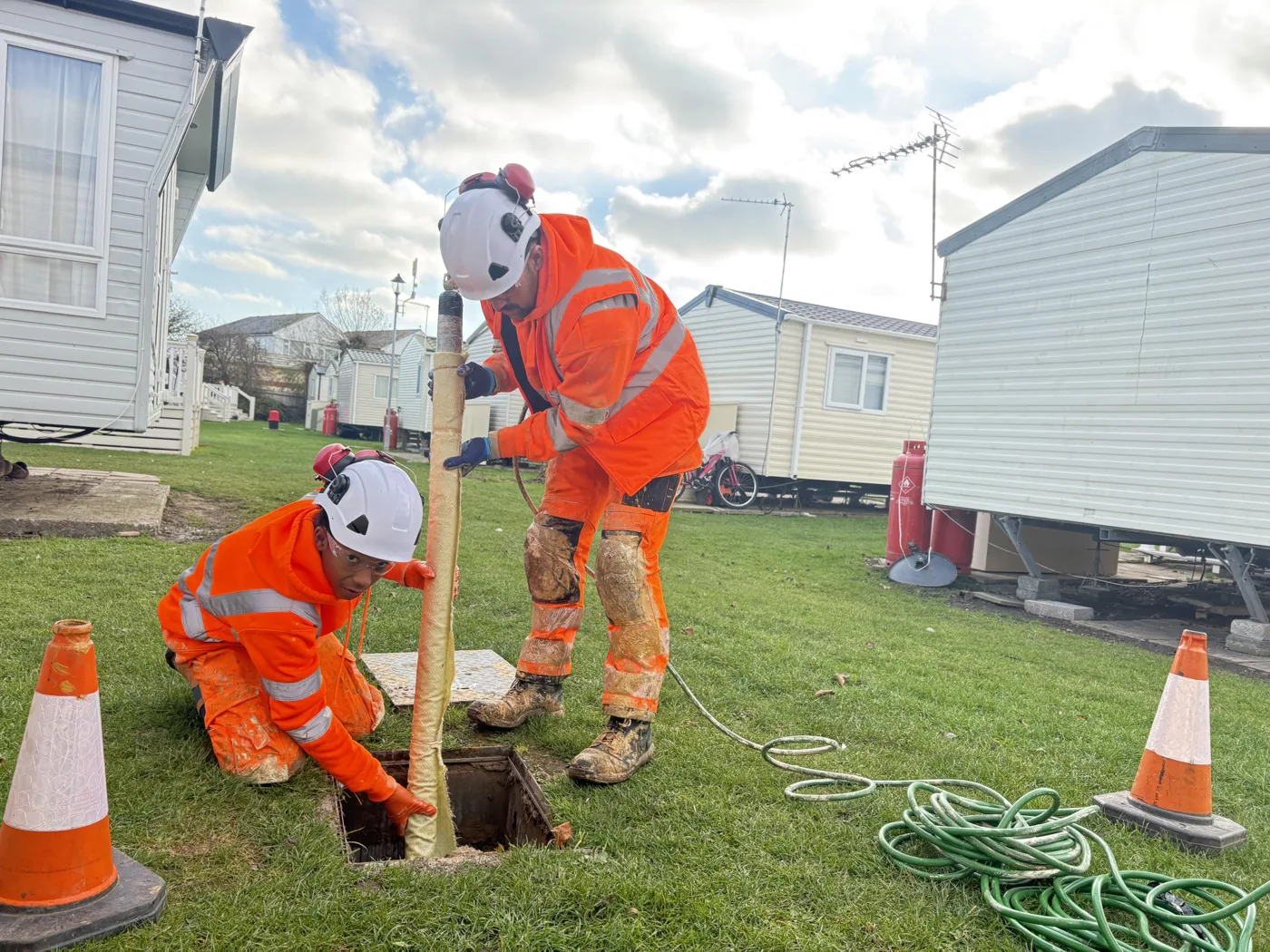

Southern Water has sealed about 16km of Lavant Valley sewer against groundwater. Lidsey, Winchelsea Beach and Nutbourne schemes follow across Sussex.
Southern Water says it has rehabilitated and sealed around 16 kilometres of sewer across the Lavant Valley in the past year to keep groundwater out of its network this winter, with further sealing schemes planned at Lidsey, Winchelsea Beach and Nutbourne.
Overview
- Finished: about 16km of sewer sealed in West Dean, East Dean, Lavant, Charlton and Singleton, the Lavant Valley villages north of Chichester and the closest of the named work to Horsham.
- Next: 3.7km of sewer to be sealed at Lidsey, which the company calls “a known groundwater hotspot”, a new 10km project at Winchelsea Beach, and 0.7km of sealing to be completed in and around Nutbourne.
- Over the winter: teams will monitor how the network copes through the groundwater season and look at whether more work is needed.
The release names Nutbourne without saying which of the two West Sussex villages it means: one sits near Pulborough in Horsham district, the other near Chichester. No other place in Horsham district is named.
Southern Water says sealing a sewer stops groundwater leaking in and sewage leaking out, which cuts the risk of groundwater getting into the system, of flooding and of storm overflow releases. It describes the programme as part of its preparations for the winter months.
How groundwater gets into sewers
Many of the places affected by groundwater flooding sit above chalk aquifers, which the company says act “like giant natural sponges”. After long spells of rain they take in water and let it out slowly over weeks and months.
When groundwater levels rise, the water can find its way into sewer pipes and manholes through small cracks, joints and defects. That uses up room in the network and can raise the risk of flooding long after the rain has stopped, Southern Water says.
George Taylor, Director of Wastewater Operations at Southern Water, said: “Groundwater remains one of the biggest challenges facing some of our Sussex communities because its impacts can continue long after heavy rainfall has ended. As we head into winter, we’re focused on doing everything we can to protect customers.
“Across Sussex we’ve invested in targeted improvements to strengthen the resilience of our wastewater network, including a major sewer sealing programme in the Lavant Valley and further schemes in other groundwater hotspot areas.
“These improvements are designed to reduce the amount of groundwater entering our sewers and overwhelming the network, which leads to flooding.”
Support during high groundwater
Southern Water says it has put dedicated community engagement staff in place and is working more closely with its specialist contractors, so that communities get timely information and support when the network is under pressure.
Mr Taylor said: “Alongside this, we’ve taken steps to strengthen the way we support customers during periods of high groundwater, improving communication, increasing our presence in affected communities and ensuring we are better prepared to respond when conditions become challenging.”
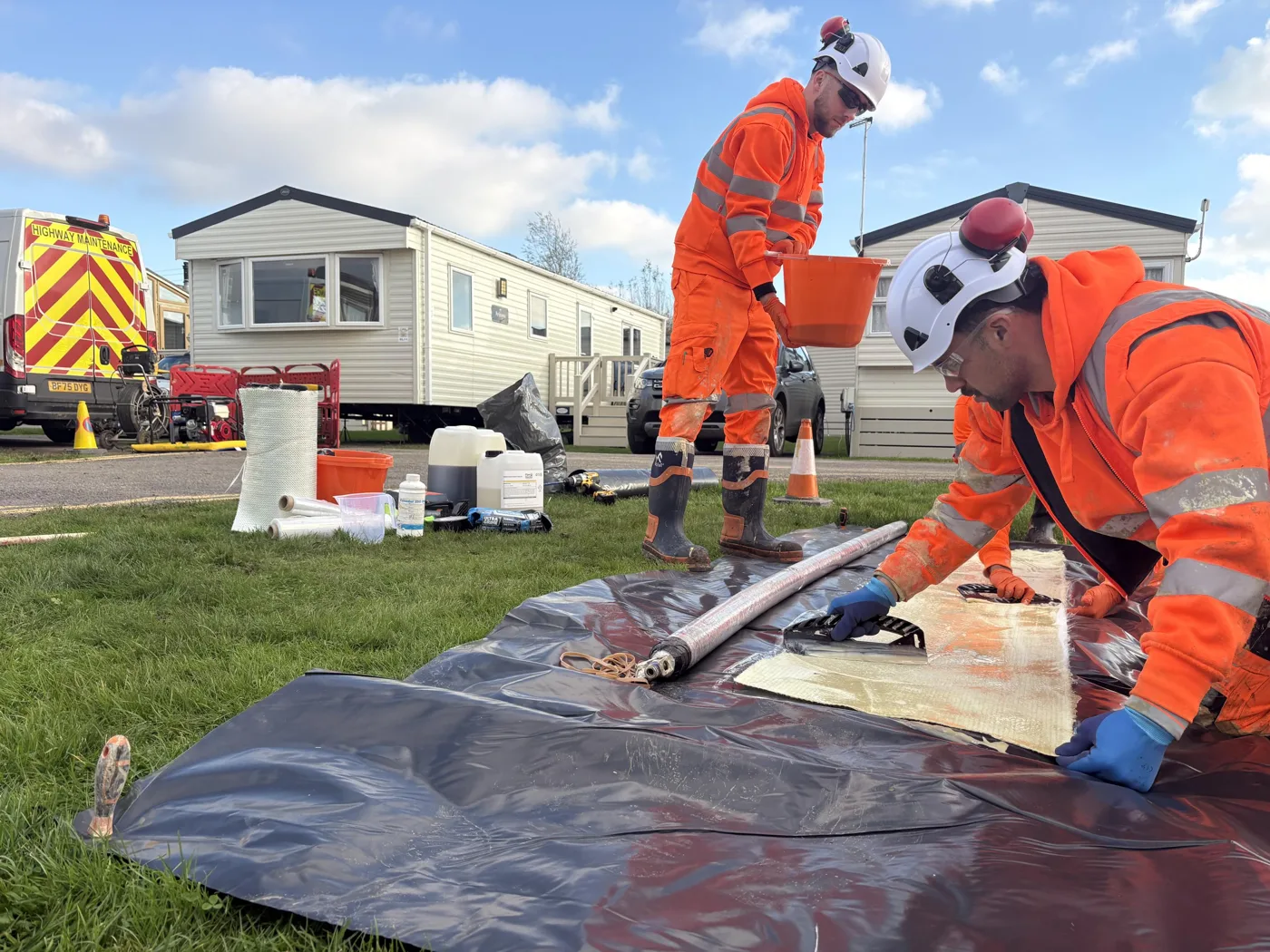
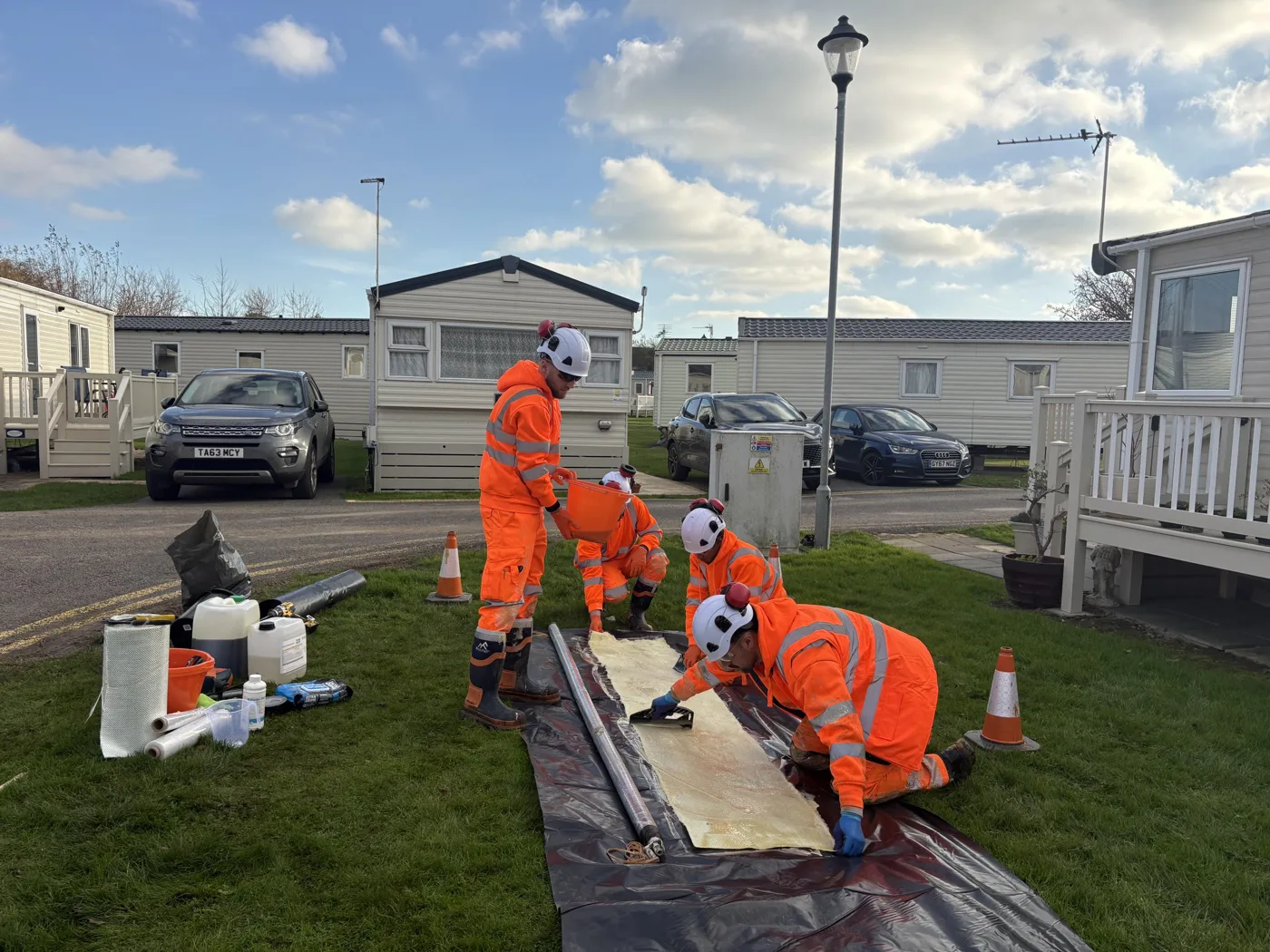
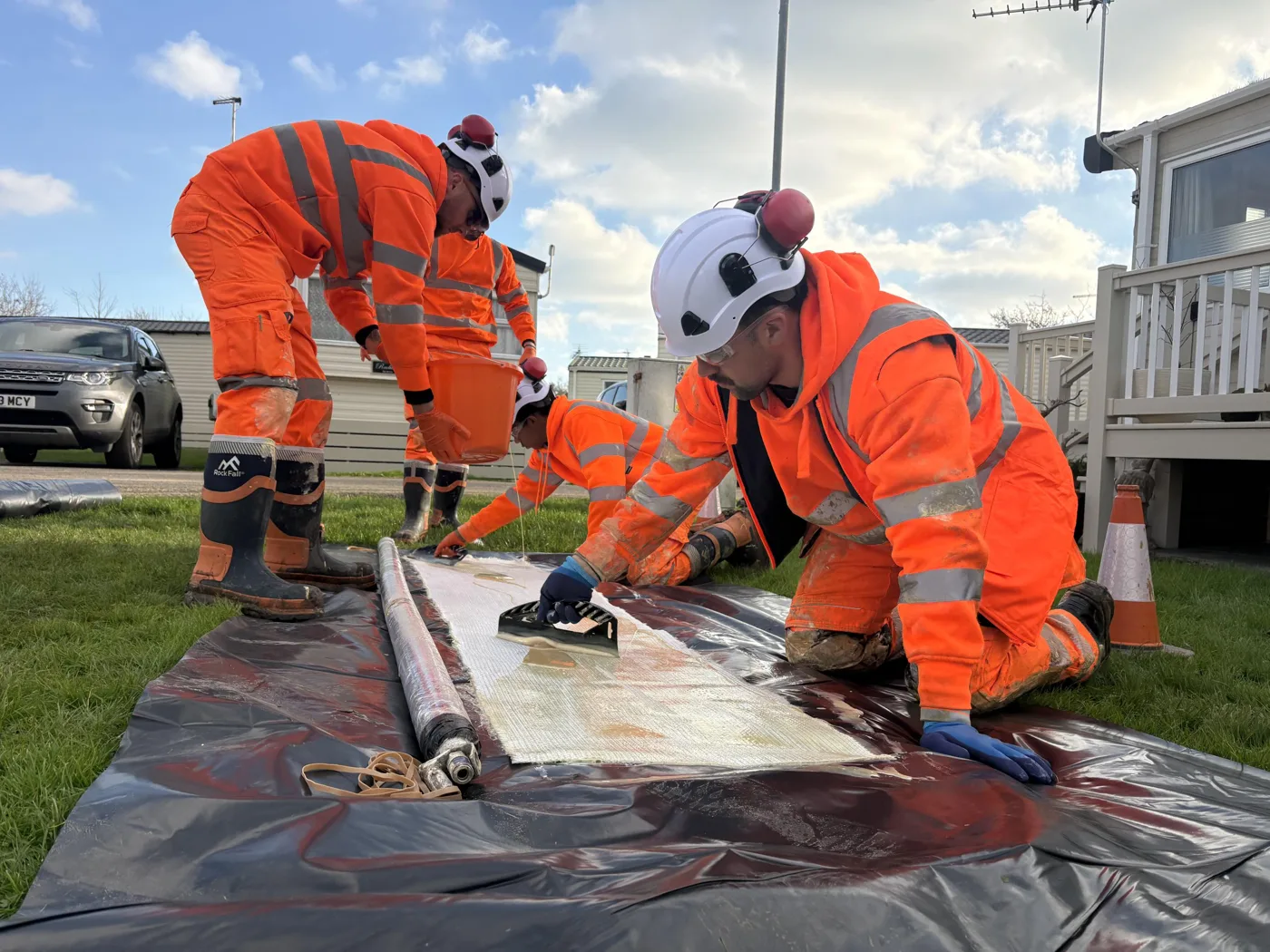
The photographs show Southern Water’s teams at work in Winchelsea. The company provides wastewater services to 4.8 million customers across Kent, Sussex, Hampshire and the Isle of Wight.
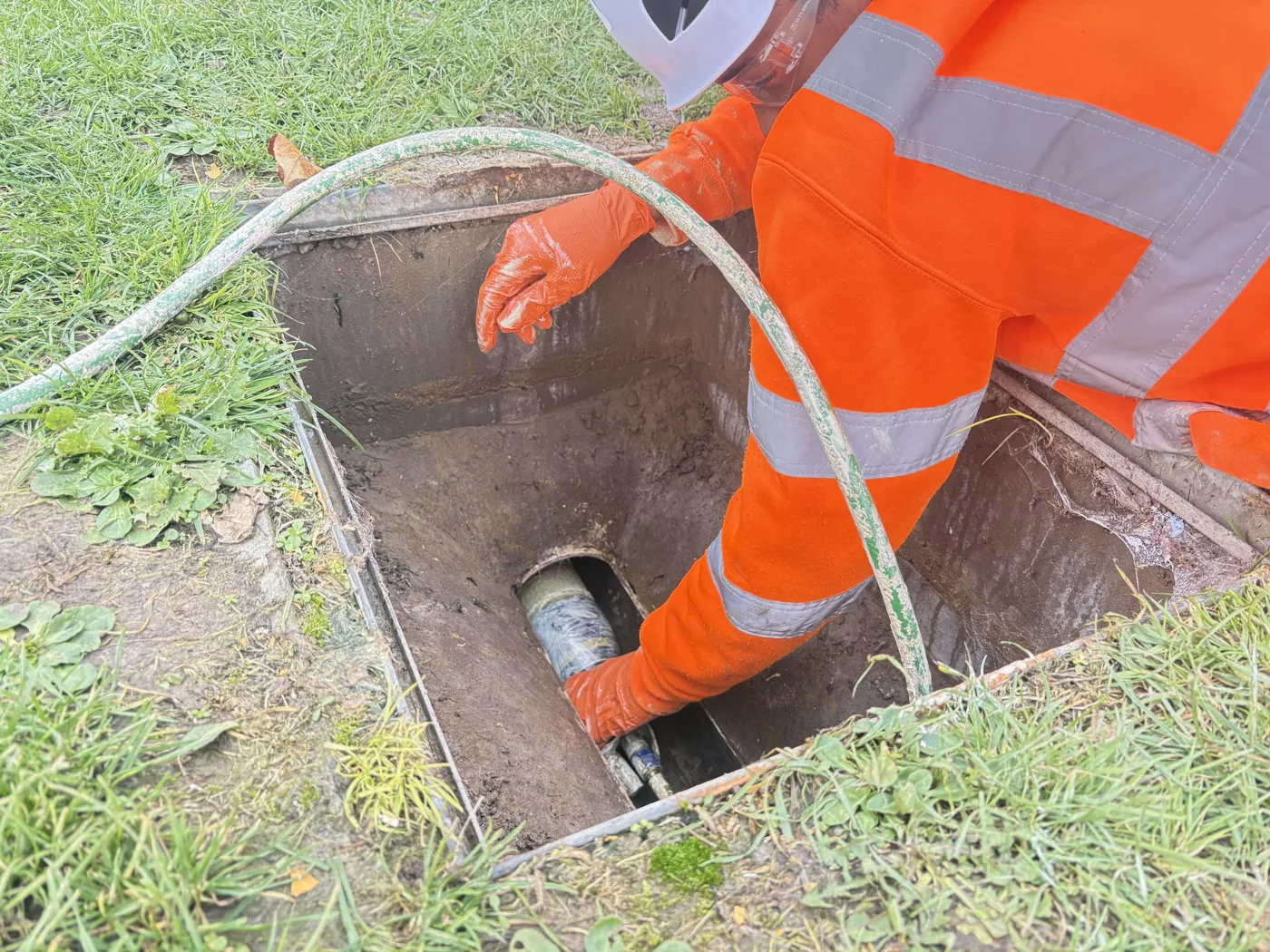
Source: Southern Water press office.
Have your say